Common Causes of Concrete Foundation Damage
People seeking foundation damage repair are often trying to fix issues caused by common factors like soil movement or water intrusion, and local contractors can provide expert solutions.
Understanding the common causes of concrete foundation damage is an essential step for property owners seeking to protect their investments. Foundations are the structural backbone of any building, and issues such as soil movement, poor drainage, and temperature fluctuations can lead to cracks, settling, or even more serious problems over time. Recognizing these factors can help homeowners and property managers identify early warning signs and determine when professional assistance may be needed. Local contractors experienced in foundation repair can assess specific issues, offer practical solutions, and help prevent minor problems from escalating into costly repairs.
Property owners in the area often explore this topic to ensure their homes remain safe and structurally sound. Changes in soil conditions, moisture levels, or improper construction practices are common contributors to foundation damage that local service providers regularly address. By understanding these causes, property owners can better maintain their properties and seek timely help from specialists who excel in foundation damage repair. Keeping informed about these issues empowers homeowners to take proactive steps and connect with trusted local contractors who can provide the necessary expertise to restore stability and peace of mind.
- When signs of shifting or cracking appear in a foundation, local contractors can assess and repair damage caused by common issues like soil movement or water intrusion. - If foundation settlement or unevenness is detected, service providers can perform stabilization techniques to address underlying causes such as poor drainage or expansive soil. - In cases of visible cracks or bowing walls, local pros can evaluate whether external factors like tree roots or plumbing leaks have contributed to foundation stress. - When basement or crawl space flooding occurs, local contractors can implement waterproofing solutions to prevent further damage related to moisture-related causes. - For ongoing issues with foundation movement, service providers can recommend and carry out repairs that address the root causes, including soil stabilization or drainage improvements.
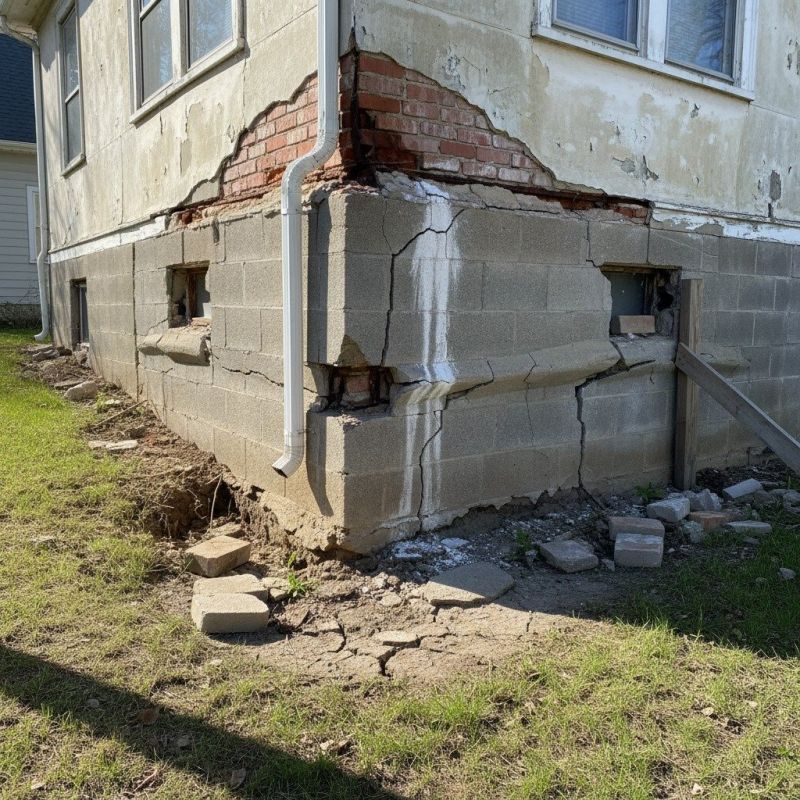
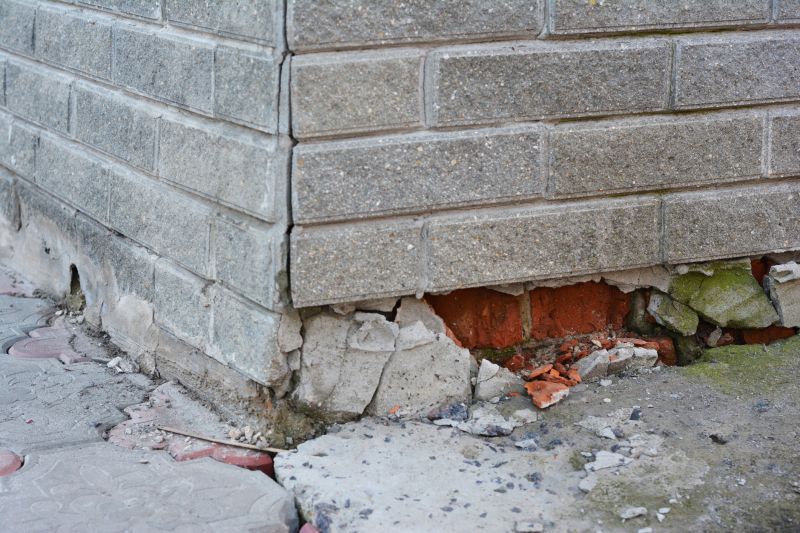
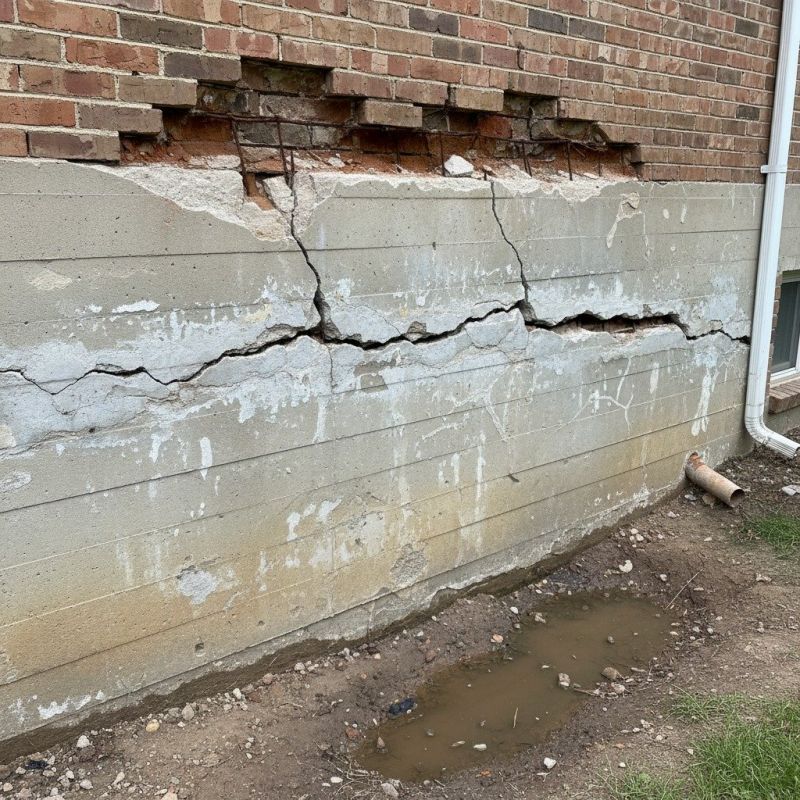
Understanding the common causes of concrete foundation damage is essential for homeowners who want to protect their properties from costly repairs. When people search for this topic, they often want to learn about the underlying issues that can weaken or crack a foundation over time. These causes are typically related to changes in soil conditions, water management, or structural stress. Recognizing these factors helps homeowners identify early warning signs and plan for repairs before minor issues become major problems. Local contractors who specialize in foundation repair can evaluate the specific causes affecting a property and recommend appropriate solutions to address underlying issues effectively.
The problems associated with foundation damage often stem from environmental and structural factors that impact the stability of the concrete. For example, soil shrinkage and swelling due to moisture fluctuations can lead to uneven settling or cracking. Excess water from poor drainage or plumbing leaks can erode soil support beneath the foundation, causing it to shift or settle unevenly. Additionally, inadequate construction practices or the use of inappropriate materials can contribute to early deterioration. These issues are common in properties with basements, slab foundations, or crawl spaces, making it important for homeowners to understand how these causes relate to their specific type of property and foundation system.
Many properties that experience foundation damage are residential homes, especially those built on expansive clay soils or areas with significant moisture variability. Commercial buildings and multi-family complexes can also be affected, particularly if they are located in regions prone to heavy rainfall or drought cycles. The type of foundation-whether it’s a poured concrete slab, pier and beam, or basement-can influence the specific causes and the repair approach needed. Homeowners often find themselves researching these causes when noticing signs like cracks in walls, uneven flooring, or sticking doors. Local service providers who specialize in foundation repair are equipped to diagnose the root causes based on the property’s construction and environmental conditions, providing targeted solutions to restore stability.
Addressing common causes of concrete foundation damage requires understanding how environmental factors and construction practices interact with soil and water conditions. Local foundation repair contractors play a crucial role in assessing these causes and determining the best course of action. Whether it involves fixing drainage issues, underpinning a settling foundation, or reinforcing weak areas, these professionals bring practical expertise tailored to the specific needs of each property. Homeowners can benefit from connecting with local service providers who understand the local soil types and weather patterns, ensuring that repairs are effective and long-lasting. Recognizing the causes of foundation damage not only helps in planning repairs but also in implementing preventative measures to protect the property’s structural integrity over time.
Excavation and grading projects - these involve soil assessment and site preparation skills similar to those used in foundation repair to address soil-related causes of damage.
Concrete pouring and slab installation - understanding proper concrete mixing and placement techniques is essential for repairing and preventing foundation cracks and settlement issues.
Drainage system installation - designing effective drainage solutions helps mitigate water-related causes of foundation damage, requiring similar planning and site evaluation skills.
Soil stabilization services - these projects focus on improving soil conditions to prevent shifting or settling that can lead to foundation issues, paralleling foundation repair methods.
Waterproofing and damp-proofing - applying protective barriers to prevent water intrusion aligns with addressing moisture problems that cause foundation deterioration.
Retaining wall construction - building retaining structures involves soil support techniques similar to those used in stabilizing and repairing compromised foundations.
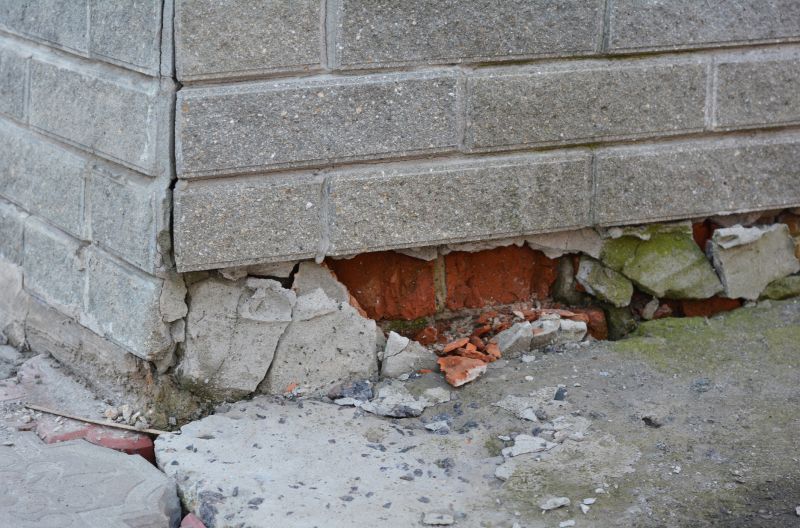
When comparing service providers for foundation damage repair, it is important to consider their experience with projects similar to the specific issues a homeowner is facing. Local contractors who have handled concrete foundation repairs related to common causes-such as soil movement, poor drainage, or settling-are more likely to understand the nuances of these problems. An experienced professional can provide insights into the root causes of foundation damage and recommend solutions that have been effective in comparable situations, helping to ensure that the repair approach is appropriate and reliable.
Clear, written expectations are essential when evaluating foundation repair services. Homeowners should seek detailed estimates and scope of work that outline what repairs will be performed, the materials to be used, and the anticipated outcomes. This transparency helps prevent misunderstandings and ensures that both parties are aligned on the project’s goals. Reputable service providers are often willing to provide comprehensive written proposals, which can serve as a useful reference throughout the repair process and help homeowners make informed decisions.
Effective communication and reputable references are key indicators of a trustworthy contractor. Homeowners are encouraged to ask for references or reviews from previous clients who had similar foundation issues. Talking to past customers can reveal how well the contractor communicated during the project, how they handled unexpected challenges, and whether the repairs held up over time. Good communication involves timely responses to questions, clear explanations of repair methods, and ongoing updates throughout the project. These qualities can contribute significantly to a smoother repair experience and greater confidence in the chosen service provider.
Property owners often search for common causes of concrete foundation damage when they are planning practical projects around their homes and businesses. Local pros provide Foundation Damage Repair services for everyday jobs and straightforward project options.
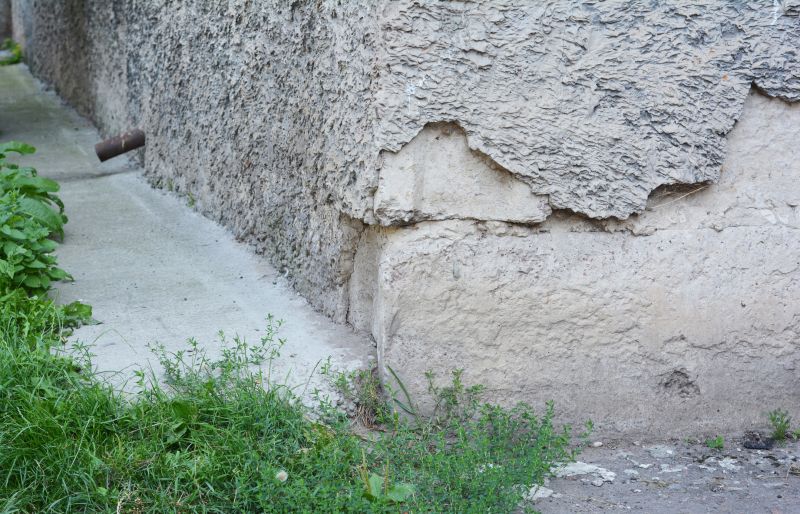
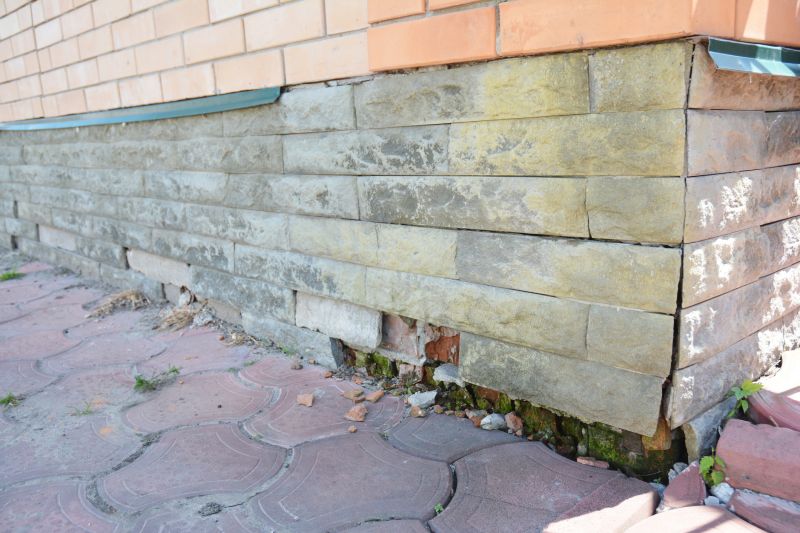
Understanding the common causes of concrete foundation damage can help property owners identify potential issues early on. In many local areas, heavy or frequent exposure to moisture is a significant factor, especially in regions prone to seasonal rains or high humidity. Poor drainage around the property can lead to water pooling near the foundation, which may cause the soil to shift or erode over time. Additionally, improper soil preparation before construction or changes in the landscape-such as adding large trees or altering grading-can exert pressure on the foundation, increasing the risk of cracks or settling.
Another common cause of concrete foundation damage involves structural stress from external factors. For example, nearby construction activities or heavy equipment can cause vibrations that weaken the foundation’s integrity. Temperature fluctuations can also contribute, as repeated freeze-thaw cycles cause expansion and contraction of the concrete, leading to cracks. Property owners noticing signs of foundation issues might consider consulting local contractors who specialize in foundation damage repair, as they can assess the situation and recommend appropriate solutions to address these everyday causes before problems worsen.
What are common causes of concrete foundation damage? Common causes include soil movement, water infiltration, poor drainage, and tree root intrusion, which can lead to cracks and settling. Local contractors can assess these issues and recommend appropriate repair solutions.
How does soil movement affect foundation integrity? Soil movement, often caused by expansion and contraction due to moisture changes, can exert pressure on the foundation, leading to cracks and uneven settling. Experienced service providers can identify and address soil-related problems.
Can water issues cause foundation damage? Yes, inadequate drainage or persistent water pooling around the foundation can weaken concrete and cause erosion, increasing the risk of cracks and shifting. Local foundation repair experts can evaluate drainage systems and suggest improvements.
What role do tree roots play in foundation damage? Tree roots can grow underneath or near the foundation, exerting pressure that causes cracks or upheaval. Service providers can determine if roots are a concern and recommend removal or other solutions.
How can poor construction practices lead to foundation problems? Improper concrete mixing, inadequate reinforcement, or insufficient curing during construction can weaken the foundation, making it more susceptible to damage over time. Local contractors can identify such issues and perform necessary repairs.
Soil erosion and poor drainage can destabilize foundations, prompting property owners to seek local contractors for drainage improvements and soil stabilization.
Tree roots growing near the foundation can cause cracks and shifting; property owners can work with local service providers to remove or manage nearby vegetation.
Water leaks and plumbing issues may lead to foundation moisture problems, encouraging property owners to have local pros inspect and repair plumbing systems.
Frost heave and freeze-thaw cycles can lift and crack concrete, prompting property owners to consult local contractors for foundation assessments and frost protection measures.
If you are thinking about common causes of concrete foundation damage for a property, this guide is meant to help you understand this topic, the typical project types, and how different options might fit your plans.
When you are ready, you can use the quote form on this page to share a few details about your project. From there, local pros can review the basics and follow up with options that match what you have in mind.