Optimal Seasons for Foundation Repairs
Foundation repairs are most effective when performed during specific seasonal conditions. Proper timing can prevent additional damage and ensure long-lasting results. Understanding the optimal periods for repairs can help homeowners plan accordingly and minimize disruptions.
Spring offers moderate temperatures and stable moisture levels, making it ideal for foundation repairs. Soil is typically moist but not overly saturated, allowing for better soil stabilization.
Summer can be suitable if the soil remains moist, but high temperatures and dry conditions may cause soil shrinkage, complicating repair work.
Fall provides cooler temperatures and consistent moisture, which can be advantageous for foundation repairs before winter.
Winter is generally less ideal due to freezing temperatures and frozen ground, which can hinder excavation and repair processes.

Springtime soil conditions support effective foundation stabilization.

Summer repairs require careful moisture management for best results.

Fall provides optimal conditions for foundation repairs before winter.

Ways to make Foundation Repairs work in tight or awkward layouts.

Popular materials for Foundation Repairs and why they hold up over time.

Simple add-ons that improve Foundation Repairs without blowing the budget.
| Season | Ideal Conditions |
|---|---|
| Spring | Moderate temperatures, moist soil, minimal rainfall |
| Summer | Warm weather, potential for drought, need for irrigation |
| Fall | Cool temperatures, consistent moisture, stable soil |
| Winter | Freezing temperatures, frozen ground, limited access |
Foundation repairs involve addressing issues such as settling, cracking, and shifting that can compromise structural integrity. Proper timing ensures that soil conditions are optimal, reducing the risk of further movement after repairs. Seasonal variations in soil moisture and temperature play a crucial role in repair success. Statistics indicate that repairs performed during favorable conditions tend to last longer and require fewer follow-up interventions.
Understanding the seasonal factors influencing foundation stability can help prevent costly damages. Soil expansion and contraction due to moisture changes are primary causes of foundation problems. Approximately 70% of foundation issues are linked to soil movement, emphasizing the importance of timely repairs aligned with soil conditions.
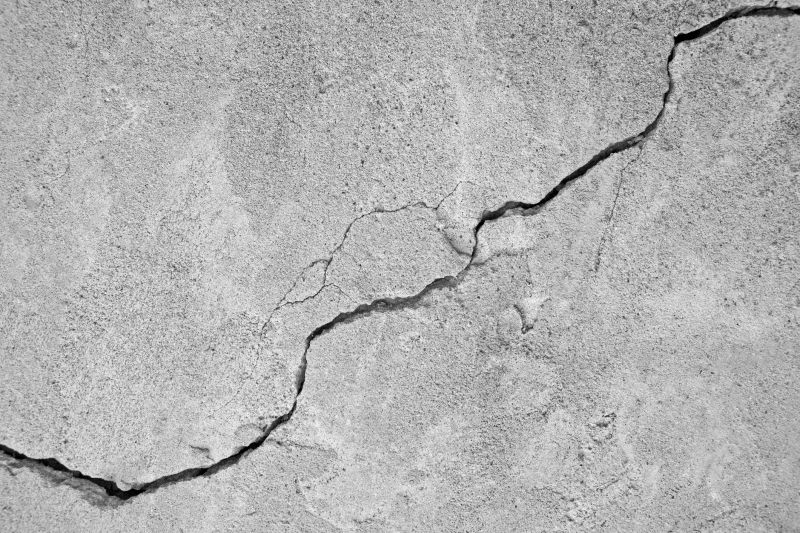
Addressing cracks early can prevent further structural issues.

Proper pier installation restores foundation support.
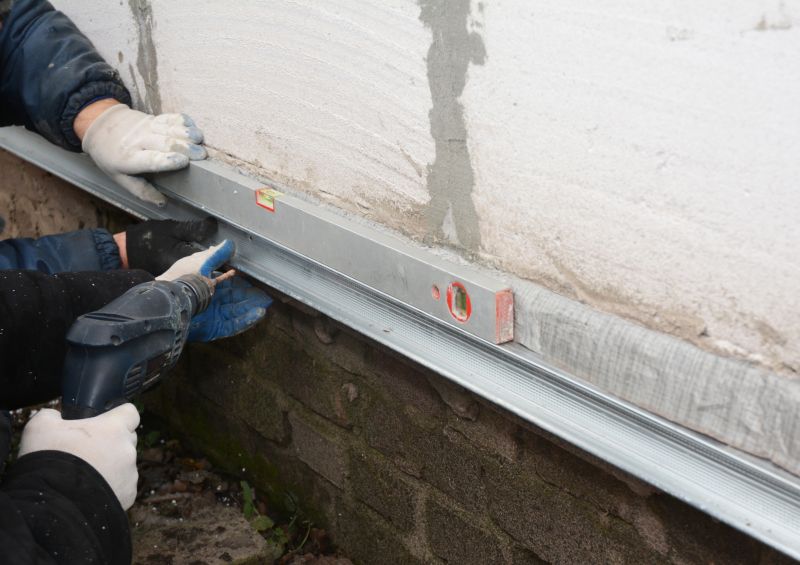
Methods like soil injection improve ground stability.
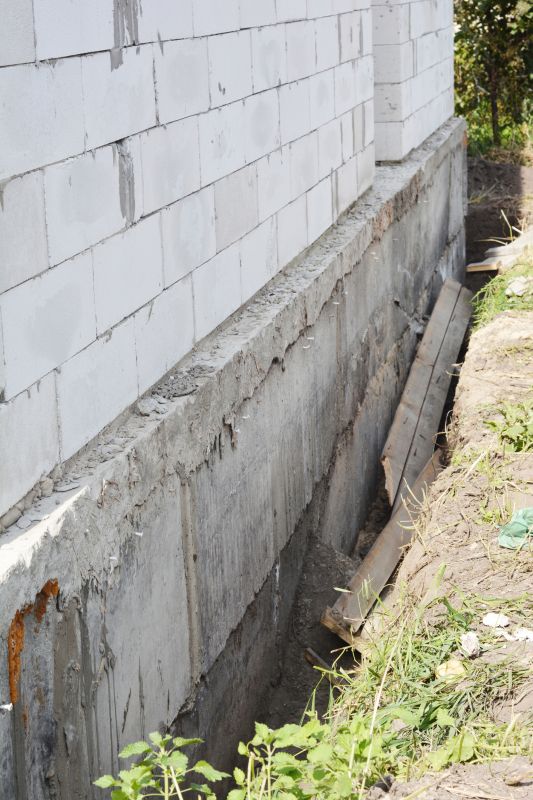
Underpinning strengthens and lifts the foundation.
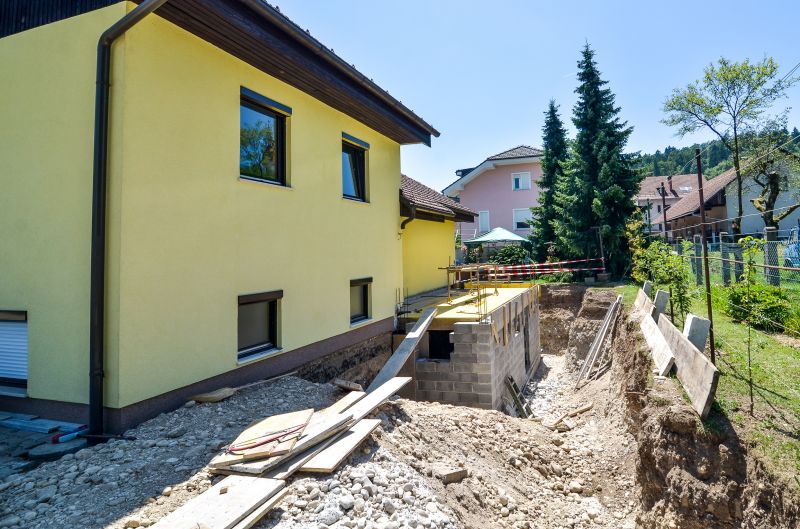
High-end options that actually feel worth it for Foundation Repairs.
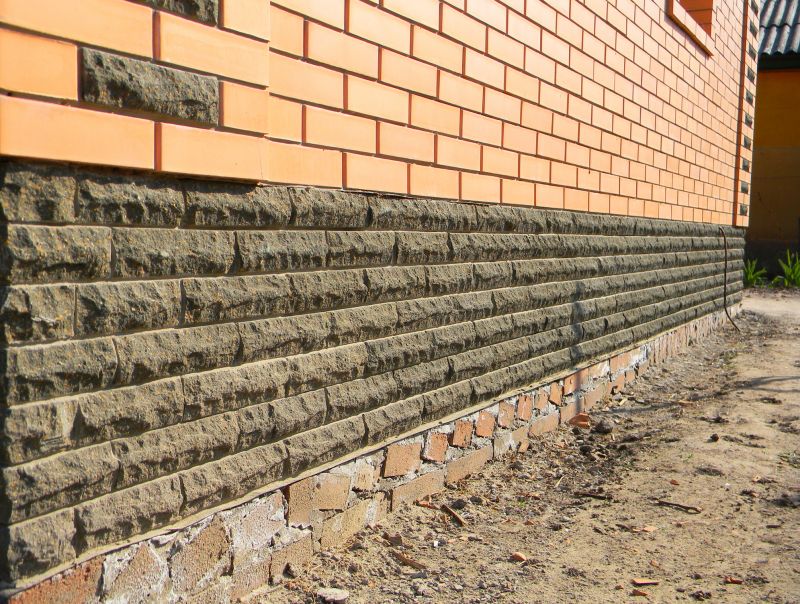
Finishes and colors that play nicely with Foundation Repairs.
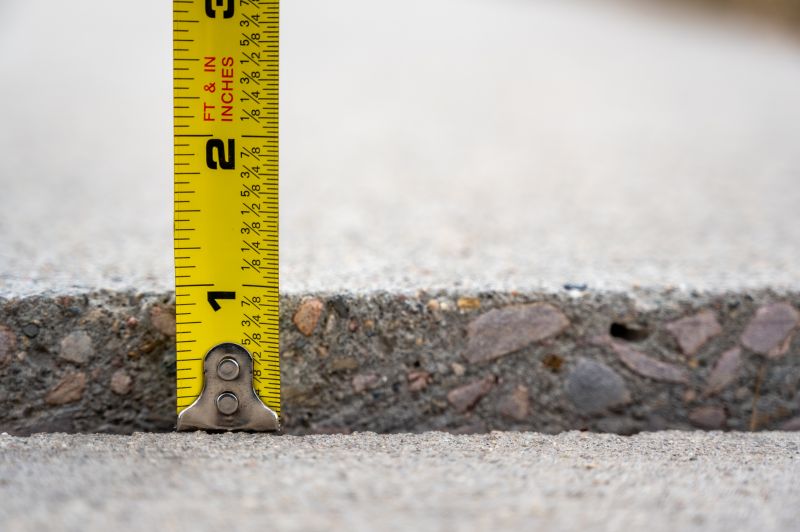
Little measurements that prevent headaches on Foundation Repairs day.
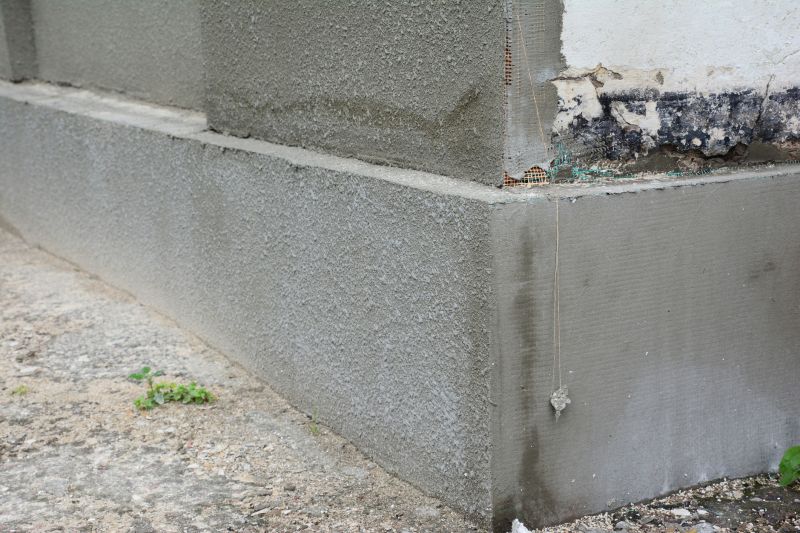
A 60-second routine that keeps Foundation Repairs looking new.
For those considering foundation repairs, it is recommended to evaluate soil conditions and seasonal weather patterns. Planning repairs during periods of stable soil moisture minimizes the risk of future movement. Proper timing can lead to more durable and effective solutions, saving costs over the long term.
Interested parties are encouraged to contact for further information or to schedule an assessment. Filling out the contact form ensures professional guidance tailored to specific foundation needs and seasonal considerations.